Overview
Chemotherapy is a drug treatment that uses potent chemicals in the body to destroy fast-growing cells.
Chemotherapy is most widely used to treat cancer, because cancer cells grow and multiply much faster than most of the body’s cells.
There are many different drugs for the chemotherapy. Chemotherapy medications can be used in conjunction or alone to treat a wide range of cancers.
Though chemotherapy is an effective way to treat many cancer types, treatment with chemotherapy also carries a risk of side effects.
Some side effects of chemotherapy are mild and treatable while others may cause serious complications.
Why you should choose India for Chemotherapy?
Doctors say India is on par with international cancer hospitals. The treatment offer in India is same as other country.
Anything that can be done at the world’s best cancer centers can be done in India.
This is a fallacy that we will be getting better treatment for cancer abroad. We ‘re among the best in the world today when it comes to treating cancer. We have the finest surgeons here and right from the clinics, to the methods of diagnosis and operation, equipment used and post treatment care as well as costs, we are among the finest ones.
Now, lets try to understand how is Chemotherapy done?
Chemotherapy is usually given in the form of a pill or by injection or an IV directly into the veins. Chemotherapy can also be done in many other ways, in addition to these two ways.
The manner in which chemotherapy is performed depends on the medication itself and specific patient factors.
- Chemotherapy can be delivered directly into the tumor, depending on the location of the tumor. When you undergo surgery to remove the tumor, your doctor can, over time, implant slow dissolving disks that release medicines.
- Directly into a body cavity, such as the bladder or abdomen (peritoneum)
- Drugs for liquid chemotherapy may be delivered in single shots, or you may have a port where a needle is inserted for each treatment. During the first visit, the infusion method with a port only involves pain at the injection site but the port needle can loosen depending on your activity level.
- Some types of chemotherapy can be taken by mouth through pills
- Into the cerebrospinal fluid (this is the fluid that surrounds our spinal cord and brain)
Why Chemotherapy is used?
Chemotherapy is primarily used to:
- lower the total number of cancer cells in your body
- reduce the likelihood of cancer spreading
- shrink tumor size
- reduce current symptoms
If you have been surgically treated to remove a cancerous tumor, such as breast cancer lumpectomy, your oncologist may prescribe chemotherapy to ensure that any remaining cancer cells are also destroyed.
Chemotherapy is also used to make you ready for further treatments. It may be used to compress a tumor so that it can be removed surgically or to brace you for radiation therapy.
Chemotherapy in the case of late-stage cancer may help alleviate pain.
For addition to cancer care, chemotherapy may be used to prepare patients with bone marrow diseases for stem cell treatment by the bone marrow and may be used for immune system disorders. Doses even smaller than those used to treat cancer can be used to assist conditions where healthy cells, such as lupus or rheumatoid arthritis, are damaged by the body’s immune system.
Preparation before Chemotherapy?
You must undergo a series of tests before you start treatment to help decide whether you’re well enough for chemotherapy. This will require heart and blood test tests to assess the liver health. Such assessments will also help direct the doctor in deciding what types of chemotherapy to use in the care.
Preparation Tips
- Create Employment Arrangements. Most people may work during chemotherapy, but you may want to place yourself on a lighter workload before you know what kinds of side effects you may have.
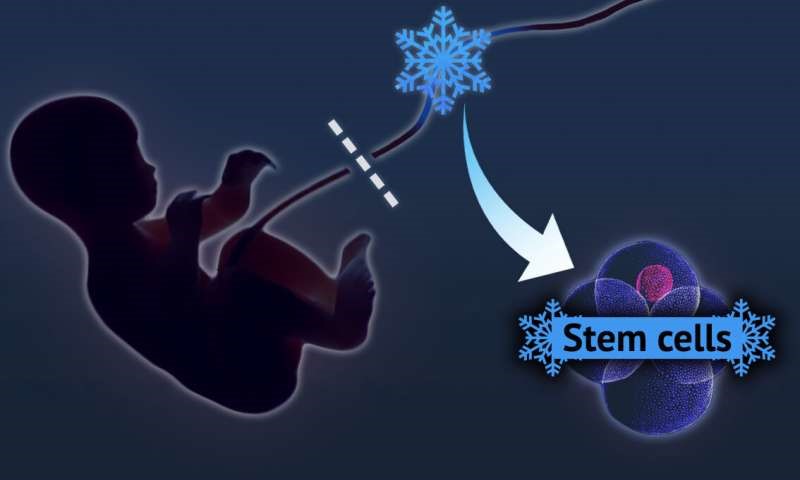
- Advise side effects. Tell your doctor about potential side effects and how to dress accordingly. When infertility can be a side effect and you want to conceive a child, you might want to store sperm, eggs or fertilized embryos and freeze them. When hair loss is possible, you may want to buy head-covers or wigs.
What to do after Chemotherapy?
Your health care provider will track the efficacy of your medications on a daily basis. This will require scans, blood tests and probably more. Your health care provider will change the treatment at any time.
The more you’ll share how chemotherapy affects you with your doctor, the better the care experience will be. You ‘re going to want to tell them about any side effects or medication-related problems you ‘re experiencing so they can adapt to the care if appropriate.







 The Healthy Traveller