What is Stem Cell Therapy?
Stem cell therapy, also known as regenerative medicine, catalyses the repair response of diseased, dysfunctional or injured tissue using stem cells or their derivatives. Stem cells divide to form more cells called daughter cells. These daughter cells either become new stem cells (self-renewal) or become specialized cells (differentiation) with a more specific function, such as blood cells, brain cells, heart muscle cells or bone cells. No other cell in the body has the natural ability to generate new cell types.
These stem cells are manipulated to specialize into specific types of cells, such as heart muscle cells, blood cells or nerve cells and many more. The ability of stem cells to change themselves depends on the environment that they’re placed into so that a stem cell that’s placed for instance in the liver may behave differently and change itself differently based on the interactions it has with the surrounding liver cells whereas a stem cell which is placed into a leg may behave differently.
Stem Cell Therapy in India
Growth in stem cell therapy in India is exceptional and seeing its promising results it is not wrong to say that soon it can be used for treating a multitude of acute and chronic ailments. Regenerative medicine or stem cell therapy is one of the most promising branches of advanced medication. Its main aim is to restore organ and tissue function for patients with continual and persistent diseases. Over the years, scientists and surgeons have been using stem cell therapy to renew and repair tissues affected with age, disease and congenital defects.
Though there are several factors on which Stem cell therapy treatment depends. Type of disease and Cost play a vital role.
Let us try to understand more about Stem Cell Therapy in India.
What they claim? The hope for the future?
Some of the neurodegenerative and genetic disorders such as diabetes, osteoarthritis, stroke, chronic renal failure, congestive cardiac failure, myocardial infarction, Alzheimer’s disease, Parkinson’s disease etc for which there is no effective conventional treatment present. Stem cell therapy holds a promising future for the treatment of such non serious to life threatening diseases.
Types of Stem Cells
- Embryonic stem cells
- Non-embryonic (adult) stem cells
- Induced pluripotent stem cells (iPSCs)
- Cord blood stem cells and amniotic fluid stem cells
Embryonic stem cells
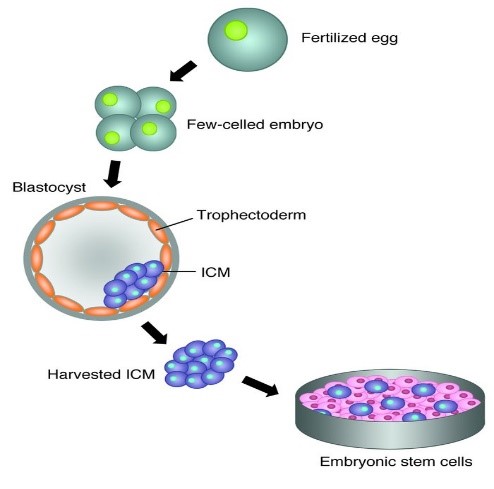
- Embryonic stem cells are derived from human embryos at a very nascent stage of its development.
- The process of harvesting them is known as in-vitro fertilization. This involves fertilizing an embryo in a laboratory instead of inside the female body.
- Embryonic stem cells are known as pluripotent stem cells. These cells can give rise to virtually any other type of cell in the body
Non-embryonic (adult) stem cells
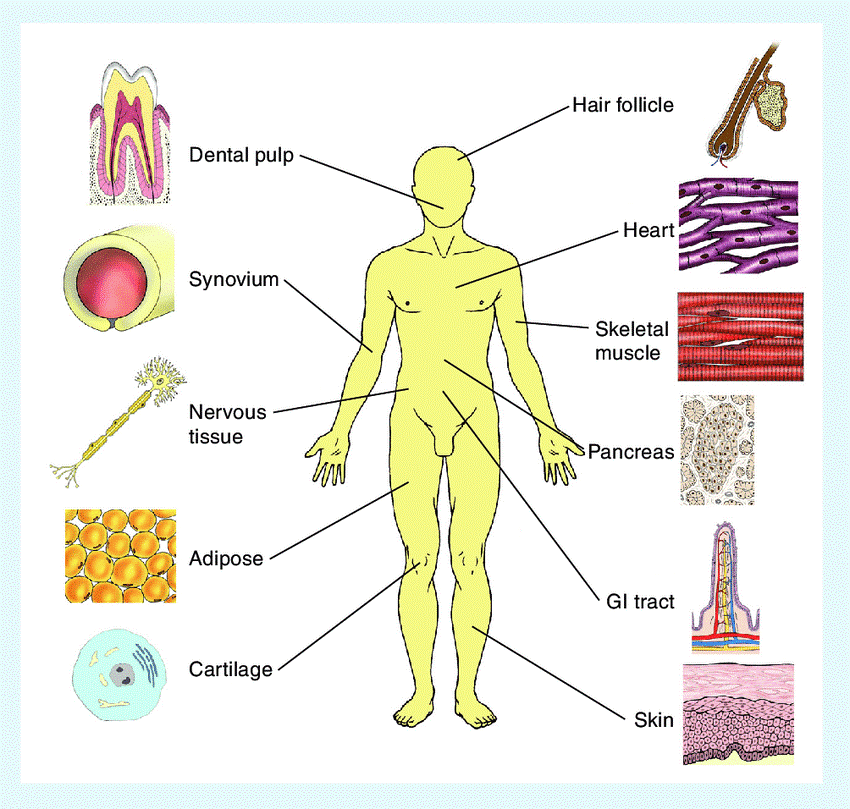
- Adult stem cells those are stem cells that live in you right now.
- These stem cells are derived from developed organs and tissues in the body.
- They are implanted in the body to repair and replace the damaged tissues in the affected area.
Induced pluripotent stem cells (iPSCs)
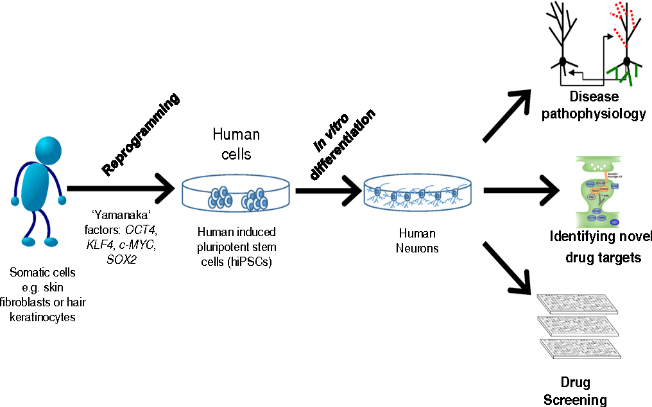
- When adult stem cells are reprogramed into embryonic stem cells (pluripotent stem cells), these newly developed stem cells are called as Induced pluripotent stem cells.
- They can propagate and differentiate into all types of specialized cells in the body. This means they can potentially produce new cells for any organ or tissue.
Cord blood stem cells and amniotic fluid stem cells
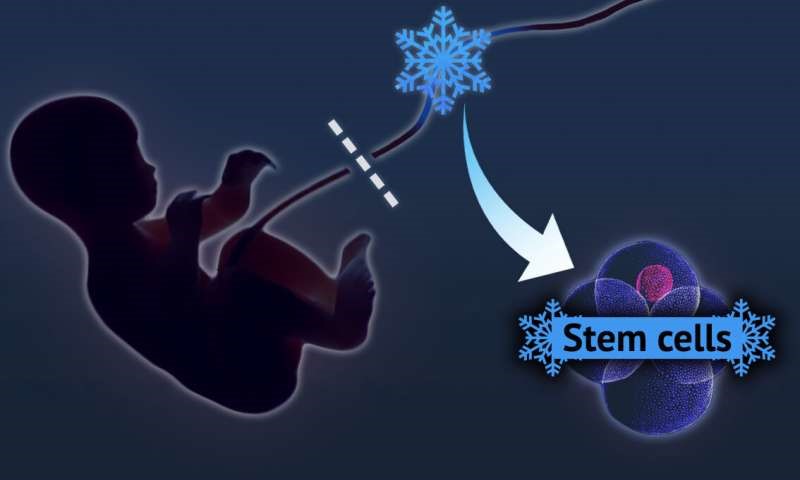
- Cord blood stem cells are derived from the umbilical cord after childbirth.
- They can be frozen in cell banks for use in the future.
- These cells have been successfully used to treat children with blood cancers, such as leukaemia, and certain genetic blood disorders.
What are the steps involved?
Stem cell transplant is carried out in 4 phases.
- Phase 1 : Collection
It involves the collection of healthy stem cells with the help of a catheter. This phase is not needed in case of allogeneic transplant or if stored stem cells derived from the umbilical cord are used.
- Phase 2 : Conditioning
The patient is subjected to chemo or radiation therapy. It helps make room in the patient’s bone marrow for new blood stem cells to grow, helps prevent the patient’s body from rejecting the transplanted cells.
- Phase 3 : Infusion
It involves the actual transplant which is somewhat similar to blood transfusion. The procedure is painless.
- Phase 3 : Recover Period
It involves monitoring the patient for any complications or side effects while the stem cell grow and begin working.
Ethical Principle of Cell Therapy
Rapid progress in the field of biotechnology has introduced a myriad of pressing ethical issues associated with stem cell research. Worldwide and particularly in Asian countries, where stem cell therapy is more advanced, the ethical basis of utilizing stem cell therapy as a treatment modality is based on the Declaration of Helsinki (DoH) on the ethical principles for medical research involving human subjects. This Declaration of Helsinki is a set of ethical principles regarding human experimentation developed for the medical fraternity and is drafted by the World Medical Association (WMA). It is widely regarded as the cornerstone document on the bioethics of human research. The following is an excerpt from the Declaration of Helsinki:
“In the treatment of an individual patient, where proven interventions do not exist or other known interventions have been ineffective, the physician, after seeking expert advice, with informed consent from the patient or a legally authorised representative, may use an unproven intervention if in the physician’s judgement it offers hope of saving life, re-establishing health or alleviating suffering. This intervention should subsequently be made the object of research, designed to evaluate its safety and efficacy. In all cases, new information must be recorded and, where appropriate, made publicly available.”
 The Healthy Traveller